

Tips for Warwick, RI Shoppers
Navigating the used car market can feel overwhelming, but finding the perfect pre-owned vehicle in Warwick, Rhode Island, should be an exciting journey. Buying a used car is a smart financial decision, offering significant savings over a new model. However, making a confident and informed choice requires a bit of homework. This guide is designed to empower you with essential used car buying tips, from setting a realistic budget to understanding the final paperwork. We will walk you through the key steps to help you identify a reliable and affordable vehicle that fits your lifestyle. Whether you are a first-time buyer or a seasoned pro, these insights will help you drive away happy. Being prepared is the best way to secure a great vehicle that will serve you well for years to come on the roads of Kent County and beyond.
Our commitment is to make your car-buying experience transparent and straightforward. We believe an educated customer is a satisfied customer. By following the detailed steps outlined below, you equip yourself with the knowledge to assess a vehicle's value, condition, and suitability for your needs. This comprehensive guide covers everything you need to know, transforming you into a savvy used car shopper ready to find the right car at the right price right here in the Warwick area. Let's get you on the road to your next vehicle.
Your Step-by-Step Guide to Buying a Used Car in Rhode Island
Purchasing a pre-owned vehicle is more than just picking a car and signing on the dotted line. It is a process that, when done correctly, results in a dependable vehicle that fits your budget. This guide breaks down the process into manageable steps for shoppers in Warwick, Cranston, and throughout Rhode Island.
Step 1: Determine Your Budget and Transportation Needs
Before you start browsing, the first and most crucial step is establishing a realistic budget. This goes beyond the sticker price of the car. You need to consider the total cost of ownership. A great starting point is to get pre-qualified for financing. This will give you a clear picture of what you can comfortably afford for a monthly payment. Remember that your budget should account for several key factors:
- Down Payment: How much cash can you put toward the purchase upfront?
- Monthly Loan Payment: The amount you will pay each month for the duration of your auto loan.
- Insurance Costs: Rates can vary significantly based on the car's make, model, and year. Get quotes for a few models you are considering.
- Fuel: Estimate your average monthly mileage and check the vehicle's MPG rating to project fuel costs.
- Maintenance and Repairs: It is wise to set aside a small fund for routine maintenance like oil changes and potential unexpected repairs.
Once you have a budget, define your needs. Are you looking for a fuel-efficient sedan for your commute to Providence? A spacious SUV for family trips to Goddard Memorial State Park? Or perhaps a rugged work truck for your business? Making a list of must-have features will help you narrow down your search considerably.
Step 2: Research and Find Your Vehicle
With your budget and needs defined, the fun part begins: the search. Start by exploring our extensive online inventory to see what is available. As you browse, research the models that catch your eye. Look up consumer reports and reliability ratings for the specific model years you are considering. Reading owner reviews can also provide valuable real-world insight into a car's performance and common issues.
One of the most important tools in this phase is the vehicle history report (VHR), such as a CarFax or AutoCheck report. Reputable dealerships provide these for free. A VHR provides a wealth of information, including:
- Accident history and reported damage.
- Title status (checking for salvage, flood, or lemon titles).
- Number of previous owners.
- Odometer readings and any rollback alerts.
- Reported service and maintenance records.
Carefully reviewing the VHR helps you avoid vehicles with hidden problems and gives you peace of mind about the car's past.
Step 3: The All-Important Test Drive and Inspection
Once you have a few top contenders, it is time to see them in person. The test drive is your opportunity to assess how the car feels and performs. Do not just take it for a quick spin around the block. Plan a route that includes a mix of driving conditions you typically encounter in and around Warwick, such as city streets, stop-and-go traffic, and a stretch on a highway like I-95 or RI-4. During the drive, turn off the radio and pay close attention. Listen for unusual noises from the engine or brakes, feel for vibrations in the steering wheel, and check that the transmission shifts smoothly.
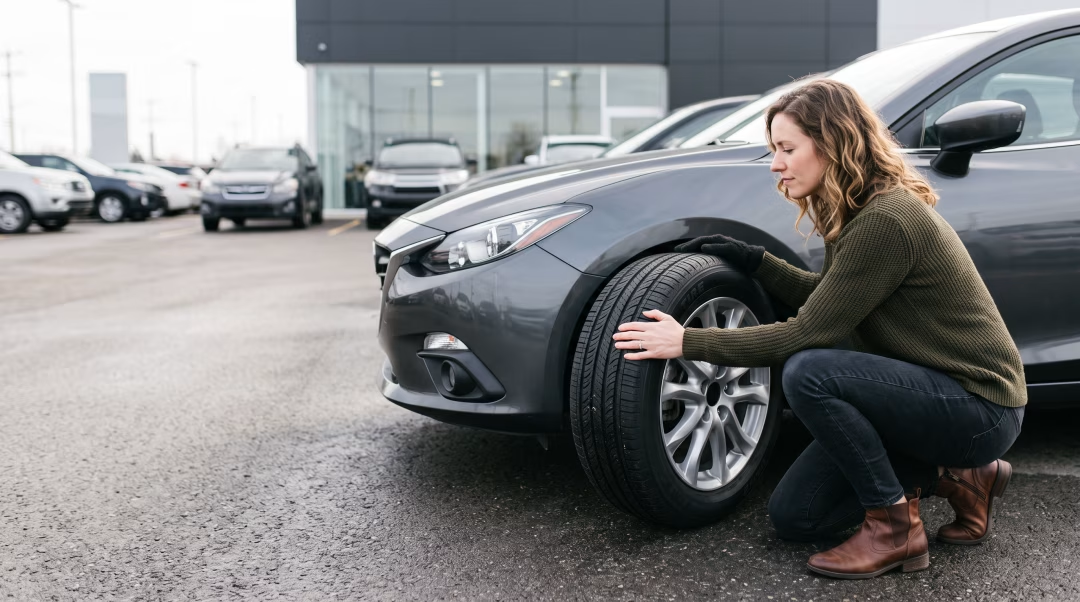
Before or after your drive, conduct a thorough visual inspection. Check the tires for tread depth and uneven wear. Examine the body panels for signs of rust, dents, or mismatched paint that could indicate a past repair. Look under the hood for any visible leaks or corrosion. Inside, test all the electronic components, including the windows, locks, infotainment system, and climate controls. When you are ready, you can easily schedule a test drive with our team.
For ultimate confidence, we highly recommend getting a pre-purchase inspection (PPI) from a qualified, independent mechanic. A professional technician can put the car on a lift and spot potential issues that are not visible during a standard inspection, giving you a complete picture of the vehicle's mechanical health.
Step 4: Securing Financing and Finalizing the Purchase
You have found the right car, and it has passed your inspection. Now it is time to handle the finances. If you have not already, this is the time to finalize your auto loan. Our finance team specializes in finding affordable and accessible financing options for a wide range of customers. We work with individuals facing various credit situations, including those who may need a bad credit car loan. As a trusted used car dealership that finances in Warwick, RI, we are here to guide you through the process.
If you have a vehicle to trade in, you can get a quick and easy estimate of its worth using our Value My Trade tool online. A trade-in can significantly lower your total purchase price and monthly payments. Once financing and trade-in values are settled, you will review and sign the final paperwork, including the bill of sale, title application, and financing agreement. Read everything carefully before you sign, and do not hesitate to ask questions. Our team is here to ensure you understand every document. After that, the keys are yours!
Frequently Asked Questions About Buying a Used Car
What documents should I bring with me to the dealership?
To streamline the process, it is helpful to bring a valid driver's license, proof of auto insurance, proof of income (like recent pay stubs), proof of residence (such as a utility bill), and your trade-in title if you have one. If you have already applied for financing online, we may have much of this information already.
How important is a vehicle history report?
A vehicle history report is absolutely critical. It provides a detailed look into the car's past, revealing major accidents, title issues like salvage or flood damage, odometer discrepancies, and sometimes service records. Reviewing this report is a non-negotiable step to protect yourself from buying a vehicle with a problematic history.
Can I get financing for a used car with bad credit in Rhode Island?
Yes, many dealerships specialize in helping customers with less-than-perfect credit. We have established relationships with a network of lenders who work with buyers across the credit spectrum. While credit is a factor, we also look at your overall financial situation to find a workable financing solution. You can learn more on our bad credit car loans page.
What is the advantage of buying from a dealership versus a private seller?
Buying from a reputable dealership offers several key advantages. Dealerships typically offer financing options, handle all the title and registration paperwork, and many vehicles come with some form of inspection or limited warranty. Private sales are often "as-is," leaving you with little recourse if a problem arises after the purchase.
How long should my test drive be?
A good test drive should last at least 15-20 minutes and cover a variety of driving conditions. You want enough time to get a feel for the car's acceleration, braking, handling, and comfort. Make sure to drive on both slow residential streets and at highway speeds to properly evaluate its performance.
