

Tips for Middlesex County, CT
Navigating the used car market in Middlesex County, Connecticut, can feel overwhelming, but with the right guidance, it becomes an exciting journey. Finding a reliable and affordable vehicle is a major decision, and our goal is to empower you with the knowledge to choose with confidence. This guide offers practical tips, from initial budgeting to the final handshake, tailored for buyers right here in our community. Whether you are commuting daily through Middletown or enjoying scenic drives along the shoreline in Old Saybrook, being prepared is the key to securing a great deal on a pre-owned car, truck, or SUV. We believe an informed customer is a satisfied customer, and these insights will help you steer clear of common pitfalls and drive away in a vehicle you truly love. Let us help you make your next car purchase a smooth and successful experience.
Embarking on your car search prepared with these expert tips gives you a significant advantage. Understanding how to inspect a vehicle, what to look for on a test drive, and the basics of financing puts you in control of the process. Our team is dedicated to transparency and helping you find the perfect match for your lifestyle and budget. Explore our extensive used vehicle inventory online or visit us to experience a better way to buy a used car in Middlesex County.
Your Ultimate Guide to Buying a Pre-Owned Vehicle in Middlesex County
Purchasing a used car is a smart way to get a quality vehicle without the steep depreciation of a new model. For residents of Middlesex County, from Cromwell to Clinton, a dependable car is essential for daily life. This comprehensive guide breaks down the process into simple, actionable steps. Following these tips will help you make an informed decision and find a pre-owned vehicle that serves you well for years to come. For more in-depth articles, feel free to browse our company blog.
Step 1: Create a Realistic Budget
Before you even start looking at cars, the first and most critical step is to determine what you can comfortably afford. A common mistake is to only consider the sticker price of the vehicle. A comprehensive auto budget should account for all ownership costs. Our page on how to budget for a car in CT provides even more detail on this topic.
- Down Payment: How much cash can you put down upfront? A larger down payment can lower your monthly payments and may improve your financing options.
- Monthly Payment: Calculate a monthly payment that fits comfortably within your budget without straining your other financial obligations. You can start the process by getting pre-qualified online.
- Insurance Costs: Rates can vary dramatically based on the car's make, model, and year, as well as your driving record. Get quotes for a few models you are considering.
- Taxes and Fees: In Connecticut, you will need to account for sales tax, title, and registration fees. You can learn more about these on our tax, title, and license fees page.
- Fuel and Maintenance: Research the estimated MPG for vehicles you like and set aside funds for routine maintenance like oil changes and tire rotations.
If you have a current vehicle, understanding its value is also a key part of budgeting. You can get an estimate using our Value My Trade tool to see how much you could apply toward your next purchase.
Step 2: Research and Identify Potential Vehicles
Once your budget is set, the fun begins. Start by identifying your needs. Are you looking for a fuel-efficient sedan for your commute on Route 9, a spacious SUV for family trips, or a rugged truck for work? Consider factors like passenger capacity, cargo space, and performance in Connecticut's varied weather. Our guide to the best cars for winter might be helpful.
Next, research models that fit your criteria. Look into reliability ratings, common mechanical issues, and average repair costs from reputable sources. This homework can save you from future headaches. Once you have a shortlist, you can check vehicle history reports using the VIN. These reports from services like Carfax or AutoCheck provide crucial information about a car's past, including accident history, service records, and previous ownership. Thorough car buying research is your best defense against purchasing a vehicle with hidden problems.
Step 3: The Inspection and Test Drive
Never buy a car without inspecting it in person and taking it for a thorough test drive. Even if a car looks perfect in photos, an in-person check is essential. Here is a basic checklist for your visual inspection:
- Exterior: Look for signs of rust, dents, and scratches. Check for uneven gaps between body panels, which could indicate a past accident.
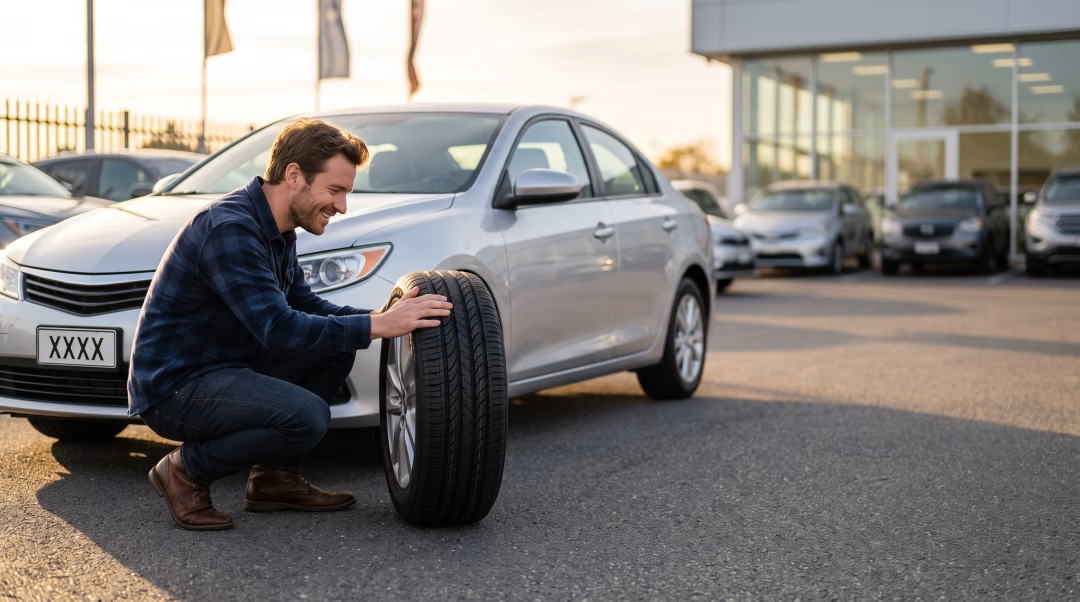
- Tires: Check the tread depth and look for uneven wear, which could signal alignment issues.
- Interior: Test all electronics, including windows, locks, radio, and air conditioning. Look for excessive wear on the seats and pedals.
- Under the Hood: Check fluid levels and look for any visible leaks or cracked hoses.
The test drive is your opportunity to see how the car performs. Don't just take a quick spin around the block. Drive on a variety of roads, including city streets and highways, to test acceleration, braking, and handling. Listen for any unusual noises from the engine or suspension. Ready to try one out? You can easily schedule a test drive with us online.
For ultimate peace of mind, we strongly recommend a pre-purchase inspection (PPI) by a qualified, independent mechanic. They can put the car on a lift and spot potential issues that are not visible during a standard inspection.
Step 4: Securing Financing and Finalizing the Deal
Finding the right financing is just as important as finding the right car. At our dealership, we work with individuals across a wide spectrum of credit situations. Whether you have excellent credit, are rebuilding, or are a first-time buyer, we have a network of lenders and a dedicated finance team to explore possible options for you. We offer helpful resources for those looking into bad credit car loans in Middlesex County. You can begin the process from home by filling out our secure online credit application.
When you are ready to make an offer, be prepared to negotiate. Your prior research on the vehicle's market value will be your best tool. Once you agree on a price, carefully review all the paperwork before signing. Ensure all figures are correct and that you understand the terms of the sale, including the interest rate, loan term, and any additional warranties or products. Do not hesitate to ask questions if something is unclear. We value transparency and our team, which you can learn about on our about us page, is here to help.
Frequently Asked Questions About Buying a Used Car
What is the most important first step when buying a used car in CT?
The most important first step is to establish a realistic and comprehensive budget. Before you start shopping, you need to know what you can afford, including the monthly payment, insurance, fuel, and potential maintenance. This prevents you from overspending and ensures your new vehicle fits comfortably within your financial means.
Is a pre-purchase inspection necessary if I am buying from a dealership?
While reputable dealerships inspect their vehicles, an independent pre-purchase inspection (PPI) is always a wise investment. A neutral third-party mechanic can provide an unbiased assessment of the vehicle's condition, giving you extra confidence and potentially identifying issues that could be used as negotiation points or might make you reconsider the purchase.
How does my credit score impact my ability to buy a used car?
Your credit score is a key factor that lenders use to determine your eligibility for an auto loan and the interest rate you may be offered. A higher score typically leads to more favorable loan terms. However, we work with a wide range of credit situations and have financing specialists who can help you explore available options, regardless of your credit history.
What documents do I need to bring to buy a car in Connecticut?
To purchase a car in Connecticut, you will typically need a valid driver's license, proof of current auto insurance, and proof of income (like recent pay stubs). If you are trading in a vehicle, you will also need the car's title and registration. Having these documents ready will help make the purchasing process quicker and smoother.
What are some common hidden costs to budget for beyond the car's price?
Beyond the sticker price, you should budget for Connecticut sales tax (which is applied to the final sale price), vehicle registration and title fees, and any dealership documentation fees. You should also factor in the ongoing costs of car insurance, fuel, and a fund for routine maintenance and unexpected repairs.
