

Vehicle Maintenance Costs in Connecticut
Receiving your tax refund is a great financial opportunity, and for many Connecticut drivers, it arrives just in time to address pressing vehicle needs. Whether you are catching up on deferred maintenance or thinking about a more significant upgrade, using this lump sum of cash for your transportation is a wise investment in your daily life and safety. Unexpected car repair bills can disrupt any budget, but proactively addressing your vehicle’s health can prevent more expensive problems down the road. This is the perfect moment to evaluate your current car's condition. Deciding between investing in repairs or putting your refund toward a more reliable pre-owned vehicle is a crucial choice. Both paths lead to greater peace of mind on the road, and we are here to help you explore the best option for your situation, regardless of your credit history. Making a smart choice now can save you from stress and higher costs later.
If your current vehicle seems to require constant and costly repairs, your tax refund could be your ticket to a better driving experience. Instead of pouring more money into a car with recurring issues, consider using it as a substantial down payment on a dependable used car, truck, or SUV. This strategic move not only helps reduce potential monthly payments but can also provide access to a wider selection of quality vehicles. A newer model often means better fuel efficiency, modern safety features, and a significant reduction in surprise maintenance costs.
The True Cost of Deferred Vehicle Maintenance
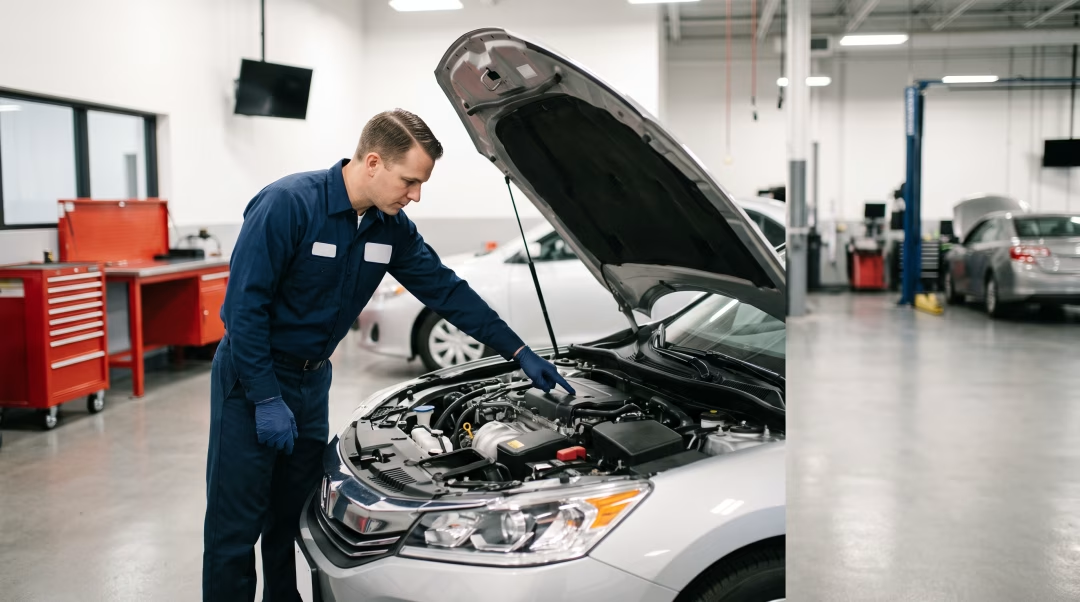
For many drivers across Connecticut, from Montville to New London, putting off car maintenance can seem like a way to save money in the short term. However, this approach almost always leads to more significant, more expensive, and often more dangerous problems. Your vehicle is a complex system of interconnected parts, and neglecting one area can cause a domino effect of failures. A simple, inexpensive oil change that is ignored can lead to catastrophic engine damage. Worn brake pads, if not replaced, can damage rotors and calipers, turning a minor repair into a major expense. Understanding the risks associated with deferred maintenance is the first step toward making smarter decisions about your vehicle's health and your financial well-being.
Ignoring warning signs like strange noises, dashboard lights, or changes in performance is a gamble. On Connecticut's busy highways and winding back roads, the reliability of your vehicle is directly linked to your safety. Issues with tires, brakes, and steering components are not just inconvenient; they are serious safety hazards. Using your tax refund to perform a thorough vehicle inspection and address any outstanding issues is an investment in the safety of you and your passengers. For more information on what to look for, you can review our guide on what to look for when buying a used car, as many of the same inspection points apply to maintaining your current one.
Create a Maintenance Priority List with Your Tax Refund
With your tax refund in hand, you have the resources to tackle your vehicle’s needs head-on. But where should you start? Prioritizing repairs and maintenance is key to getting the most value for your money. Begin with the items that most directly impact safety and prevent further damage. Our service professionals can help you create a clear plan, but a great starting point includes these critical systems:
- Brakes: Inspect pads, rotors, and brake fluid. Spongy brakes or squealing noises are clear indicators that service is needed immediately.
- Tires: Check for proper inflation, tread depth, and any signs of uneven wear. A new set of tires can dramatically improve handling, fuel economy, and safety in wet or snowy conditions.
- Fluids and Filters: This includes your engine oil, transmission fluid, coolant, and brake fluid. Clean fluids and new filters are the lifeblood of your vehicle, protecting critical components from wear and tear.
- Battery and Belts: Have your battery tested to assess its health, especially before winter. Inspect serpentine and timing belts for cracks or fraying to prevent a sudden breakdown.
If you are ready to get these items checked off your list, you can easily schedule a service appointment with our expert technicians.
The Tipping Point: Repairing vs. Replacing Your Vehicle
There comes a time in every car's life when the cost of repairs begins to exceed its value or becomes a recurring financial drain. If your mechanic's estimate for repairs is a significant fraction of what the car is worth, or if you find yourself dealing with a new, costly problem every few months, it may be time to consider a different strategy. Sinking your entire tax refund into an aging vehicle that may still have underlying issues could be a poor long-term investment. This is the perfect time to calculate the true maintenance costs for used cars and compare them to a potential monthly payment on a newer vehicle.
Using your tax refund as a down payment can be a game-changer. A larger down payment can lower your monthly payments, potentially help you qualify for better financing terms, and reduce the total amount of interest you pay over the life of the loan. Instead of just fixing your immediate problem, you are investing in years of reliable transportation. You can start by getting an estimate of your current car's worth on our value my trade page and browsing our extensive used car inventory to see what your refund could get you.
Financing a Reliable Upgrade in Connecticut
Many people believe that credit challenges will prevent them from securing financing for a quality vehicle. We specialize in finding workable solutions for individuals in all types of financial situations. Whether you have bad credit, no credit, or are recovering from a financial setback, your tax refund provides significant leverage. We work with drivers every day, offering bad credit car loans in Connecticut and helping them get behind the wheel of a car they can count on. Our team is dedicated to a transparent and respectful process, helping you understand all your options.
We are a trusted used car dealership in Montville, CT, serving the entire region with pride. Our goal is to see you drive away in a safe, reliable vehicle that fits your budget and lifestyle. Your tax refund is a powerful tool, and we can show you how to maximize its impact, turning it into a down payment that opens doors to a better automotive future.
Frequently Asked Questions
What are the most important maintenance items to address with my tax refund?
Prioritize safety first. Use your refund to inspect and repair your brakes, replace worn tires, and address any steering or suspension issues. After safety items, focus on preventative maintenance like changing the oil and other essential fluids, replacing filters, and checking belts and hoses to prevent larger, more costly repairs in the future.
Is it better to repair my old car or buy a newer one with my tax refund?
This depends on the cost of repairs versus the value of your car. A good rule of thumb is if a single repair costs more than half of your vehicle's value, or if you are facing frequent, recurring repair bills, it is likely more financially sensible to use your tax refund as a down payment on a more reliable, newer used vehicle.
Can I use my anticipated tax refund as a down payment even if I have bad credit?
Yes, programs are available that may allow you to use your anticipated tax refund toward a down payment. Our Tax Max File and Drive program is designed to help customers do just that. This can be an excellent option for individuals with varying credit histories, as a down payment demonstrates financial commitment and can improve the terms of your financing.
How do I know if my car's maintenance costs are becoming too high?
Track your repair expenses over a year. If you are spending more annually on repairs (not including routine maintenance like oil changes) than what 10-12 months of car payments would be on a newer vehicle, your costs are likely too high. At that point, you are losing money that could be invested in a more dependable car.
What are some common vehicle maintenance costs for Connecticut drivers?
Connecticut drivers face challenges from changing seasons, including snow, ice, and road salt in the winter, which can accelerate rust and corrosion. Common costs include new tires (especially all-season or winter tires), brake repairs, suspension work from pothole damage, and rust-related exhaust system repairs. Regular undercarriage washes in the winter are highly recommended.
