

Bad Used Car in Stonington, CT
Embarking on the journey to buy a pre-owned vehicle in Stonington, CT, is an exciting prospect. It represents freedom, opportunity, and a smart financial decision. However, the path can have pitfalls, and the fear of ending up with a "lemon" is a valid concern for any buyer. A bad used car can mean unexpected repair bills, reliability issues, and major headaches. The key to navigating the market confidently is knowledge. By understanding what to look for, which questions to ask, and how to properly inspect a vehicle, you can significantly reduce your risk. This guide provides practical, actionable steps for Stonington drivers to help them distinguish a great deal from a potential disaster. We want you to drive away not just with a car, but with peace of mind, knowing you made an informed and secure purchase that will serve you well for years to come.
Our mission is to make your car-buying experience transparent and positive. We believe an educated customer is an empowered customer. That is why we are committed to providing resources like this guide. We invite you to explore our extensive used car inventory with the confidence that each vehicle has been carefully selected. Our team is here to answer your questions and help you find a reliable vehicle that fits your life and your budget, without the high-pressure tactics you might find elsewhere.
Your Comprehensive Guide to Smart Used Car Shopping
Buying a used car is one of the most significant purchases you will make. While it offers incredible value, it also requires careful consideration to avoid future problems. This detailed guide breaks down the process into manageable steps, from initial research at your Stonington home to the final inspection and paperwork. Following these tips will empower you to make a wise investment and find a dependable vehicle. For more detailed insights, feel free to review our car buying FAQs.
Step 1: The Pre-Shopping Research Phase
Before you ever step onto a dealership lot, the most crucial work begins. Proper research sets the foundation for a successful purchase and prevents you from making an impulsive decision you might later regret.
- Define Your Needs and Budget: Be realistic about what you need in a vehicle. How many people will you be transporting? What is your daily commute like? Do you need all-wheel drive for Connecticut winters? Once you know what you need, establish a firm budget. This includes not just the purchase price but also potential costs for tax, title, and insurance. If you are financing, use our pre-qualification form to understand what you can comfortably afford.
- Research Models and Reliability: Not all cars are created equal. Look up reliability ratings from trusted sources like Consumer Reports or J.D. Power for the models that interest you. Search for common problems associated with specific model years. A car that looks great might have a known history of transmission issues, which is something you want to know beforehand.
- Obtain a Vehicle History Report (VHR): Once you have identified a specific car, a Vehicle History Report from a service like CarFax or AutoCheck is non-negotiable. This report is your first line of defense, revealing critical information such as:
- Accident history and damage severity.
- Title issues, including salvage, flood, or lemon-law branding.
- Odometer rollback discrepancies.
- Service and maintenance records.
- Number of previous owners.
While a clean report is a good sign, it is not a complete pass. Not all accidents or repairs get reported. It is just one tool in your arsenal.
Step 2: The In-Person Visual Inspection
When you find a car you like, it is time for a thorough walk-around inspection. Do this in broad daylight on a clear day, as rain can hide paint defects. Take your time and do not feel rushed.
Exterior Checklist:
- Body Panels and Paint: Look down the sides of the car for waves or ripples that could indicate past bodywork. Check for inconsistent gaps between panels, which can signal a previous accident. Mismatched paint color or overspray on rubber trim are red flags.
- Rust: Check wheel wells, rocker panels (below the doors), and the undercarriage for excessive rust, which is common in New England. Surface rust may be cosmetic, but bubbling paint or flaking metal indicates a more serious problem.
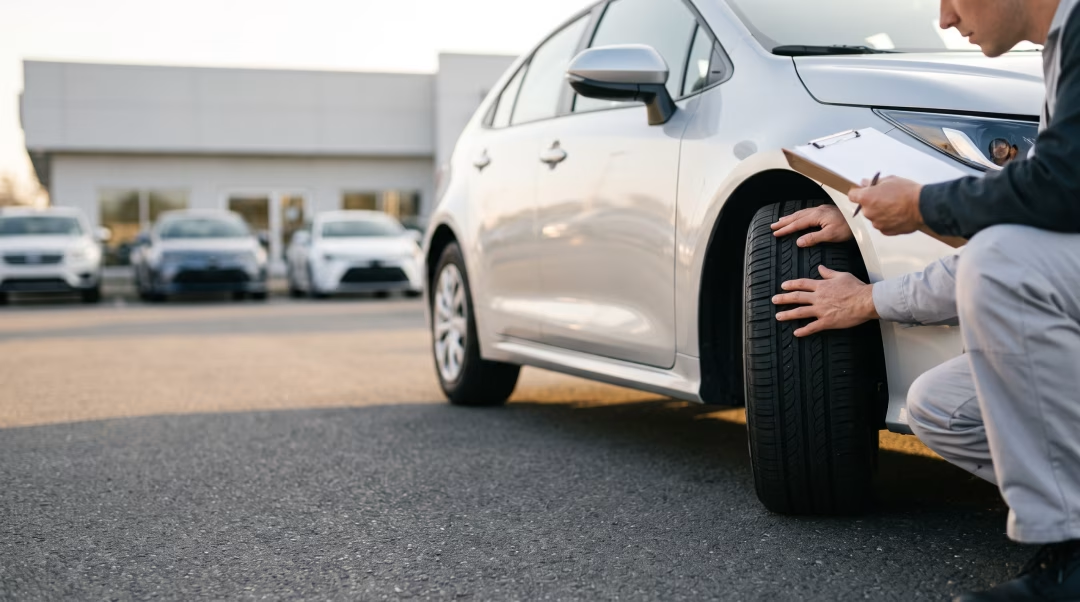
- Tires and Wheels: The tires should have even wear across the tread. Uneven wear can point to alignment or suspension issues. Check the tread depth; if the tires are nearly bald, that is an immediate expense you will incur.
- Glass: Inspect the windshield and windows for any cracks or large chips.
Interior Checklist:
- Warning Lights: When you turn the key to the "on" position (without starting the engine), all dashboard lights should illuminate and then turn off after a few seconds. If the "Check Engine" light or any other warning light stays on, it signals a problem that needs diagnosis.
- Electronics: Test every button, switch, and knob. This includes the radio, climate controls (both A/C and heat), power windows, locks, sunroof, and seat adjustments.
- Upholstery and Odors: Check for excessive wear, tears, or stains on the seats and carpet. A musty or mildew smell could indicate a water leak, a serious and hard-to-fix issue. A heavy air freshener scent might be masking smoke or other unpleasant odors.
Step 3: The All-Important Test Drive
A test drive is more than just a quick spin around the block. This is your chance to feel how the car performs in real-world conditions. Plan a route that includes a mix of Stonington side streets, bumpy roads, and a stretch of highway to test the car at different speeds. Before you go, schedule a test drive with our team to ensure the vehicle is ready for you.
- Listen for Noises: Turn off the radio and listen carefully. Do you hear any clunking over bumps (suspension issues), squealing or grinding when braking (worn brakes), or whining from the engine?
- Feel the Performance: The engine should accelerate smoothly without hesitation. The transmission should shift gears seamlessly. The steering should feel responsive, and the car should not pull to one side.
- Test the Brakes: Find a safe, empty area to test the brakes. They should feel firm and bring the car to a smooth, straight stop without any vibration or pulsation in the pedal.
Step 4: The Pre-Purchase Inspection (PPI)
This is perhaps the single most important step you can take to avoid buying a bad used car. Even if you are mechanically inclined, a professional has the tools and experience to spot hidden problems. Ask the seller if you can take the vehicle to your own trusted, independent mechanic for a pre-purchase inspection. If they refuse, consider that a major red flag and walk away. A PPI costs a little bit of money upfront but can save you thousands in the long run by identifying issues with the engine, transmission, frame, or computer systems that you would never see.
At our dealership, we welcome pre-purchase inspections. We are confident in the quality of our vehicles and believe in full transparency. Our process is part of what makes us one of the best used car dealerships near Montville, CT and the surrounding communities.
What is the most important red flag to watch for?
The biggest red flag is a seller, whether private or a dealership, who is hesitant or refuses to let you get a pre-purchase inspection (PPI) from an independent mechanic. This suggests they may be hiding a significant issue with the vehicle. Transparency is key, and any reputable seller should be confident enough in their vehicle to allow an expert to examine it.
Is a vehicle history report enough to trust a car is good?
No, a vehicle history report is a crucial tool but not a complete picture. It only shows what has been officially reported. Minor accidents, repairs paid for out-of-pocket, or poor maintenance may not appear. Always combine the history report with a thorough visual inspection, a comprehensive test drive, and a professional pre-purchase inspection for the best assessment.
Can I still get a good car if I have credit challenges?
Absolutely. Your credit history should not prevent you from obtaining reliable transportation. We specialize in providing bad credit car loans in Stonington, CT, and work with individuals in various financial situations. The key is to focus on quality vehicles that fit within a responsible budget, which we can help you determine.
What does a musty or damp smell inside a car mean?
A musty or mildew-like smell is a serious warning sign. It almost always indicates a water leak, which could be coming from a bad window seal, a clogged A/C drain, a leaky heater core, or even flood damage. Water leaks can lead to mold growth, rust, and complex electrical problems that are very difficult and expensive to fix.
Should I be worried about a car with a high mileage count?
Not necessarily. A well-maintained vehicle with 150,000 miles can be in much better condition than a neglected car with 70,000 miles. Maintenance history is more important than the number on the odometer. A high-mileage car with a complete service record, a clean interior, and a smooth test drive can still be a very reliable and smart purchase.
